


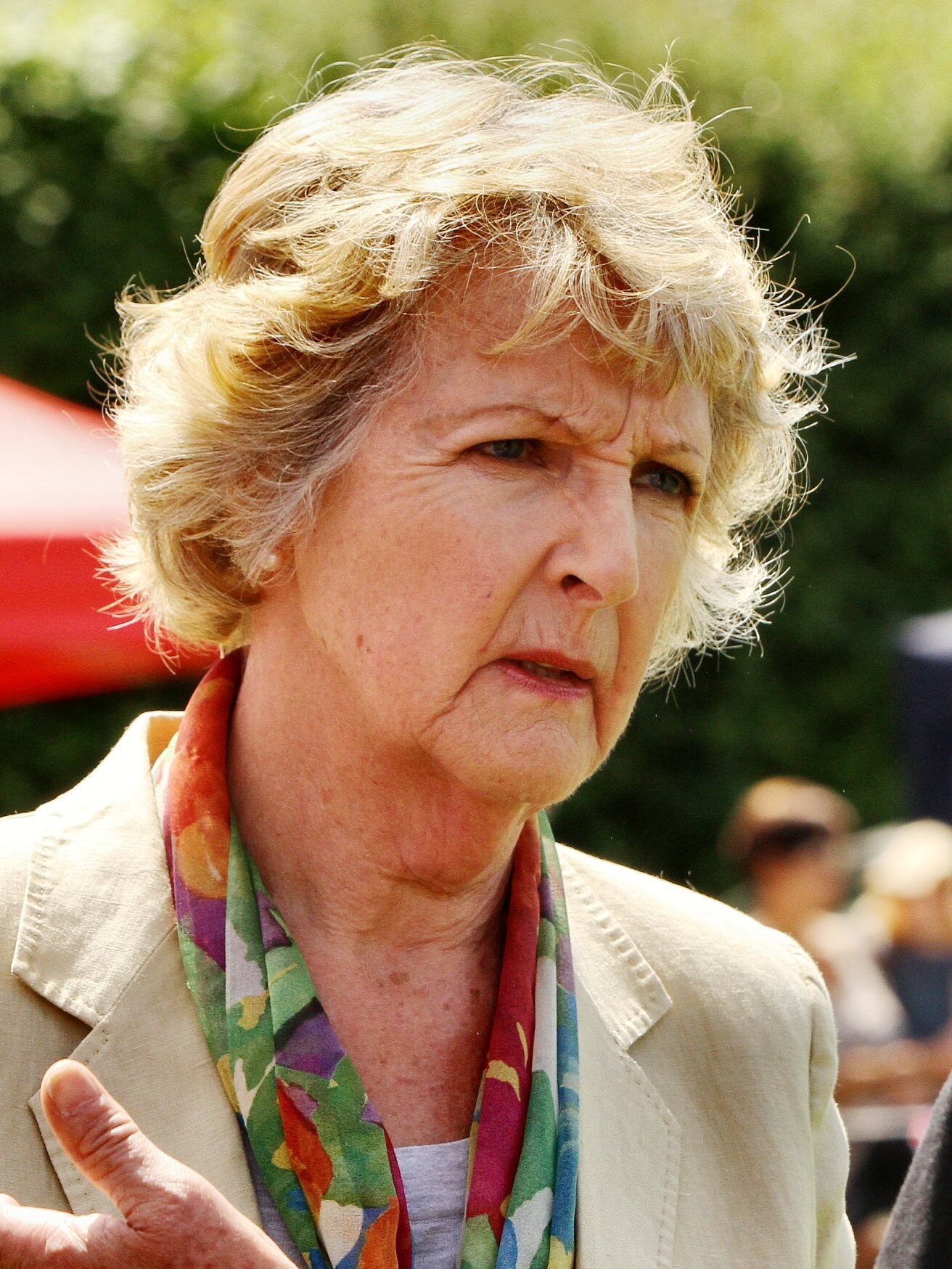
I recall many an evening when the sharp, clipped tones of Penelope Keith served as the distinctive soundtrack to a post-work glass of refreshing summer wine. Dame Penelope, who has passed away at the age of 86, was far more than a versatile actress; she was a cultural barometer for the British middle class during a period of immense social transition. Born in 1940, her journey from the rigours of the theatrical stage to becoming a household fixture in the 1970s redefined how the public viewed the delicate, often absurd, hierarchies of suburbia. Her most iconic role as Margo Leadbetter in the BBC’s ‘The Good Life’ provided a masterclass in comic timing, delivered with an enunciation so precise it could likely cut through a thick London fog without losing a single consonant.
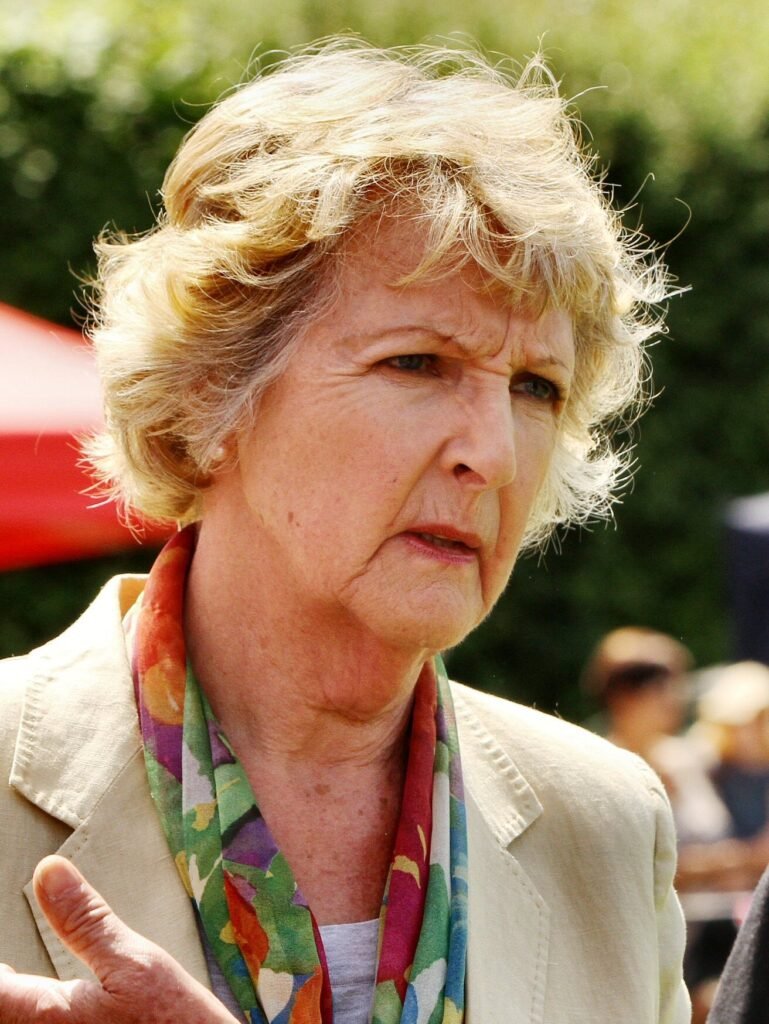
Beyond the fictional confines of Surbiton, Keith’s career spanned decades of stage and screen excellence, earning her multiple BAFTA awards and eventually a CBE for her services to the arts. She possessed a unique professional alchemy, playing the “grande dame” with a brittle exterior that frequently cracked to reveal a relatable, human vulnerability. Her approach to performance was disciplined and rigorous, mirroring the high standards expected in any high-stakes boardroom, albeit with considerably more wit and grace.
Her comedic genius lay not in the punchline, but in the terrifyingly accurate portrayal of a social order that was both ridiculous and deeply beloved.
This evolution of her public persona was not merely about the costumes she wore, but about a command of personal style that dictated how an entire generation perceived authority. While modern audiences might look back at the 1970s with a certain kitsch curiosity, Keith ensured her characters remained grounded in a very real reality. She understood the power of presence, much like a modern leader attending a session on executive wellbeing London to maintain their mental sharpness and professional edge.
In her later years, Keith transitioned into presenting, often exploring the rural landscapes and historic villages of the United Kingdom with her trademark inquisitive nature. She brought the same intellectual curiosity to these factual roles as she did to her scripted ones, always seeking to understand the underlying structures of British life. It was a career built on the foundation of character work, proving that a well-placed silence is often more powerful than the loudest shout in a crowded room.
The passing of such a titan marks the end of a specific era for British broadcasting, leaving a void in the genre of sophisticated, intelligent comedy. Her legacy is one of technical perfection wrapped in the guise of effortless charm, reminding us that excellence in any industry is rarely accidental. As the curtain falls on the final representative of this specific brand of British poise, one must wonder: can the modern, fast-paced media landscape ever produce a voice quite as distinct and commanding again?