
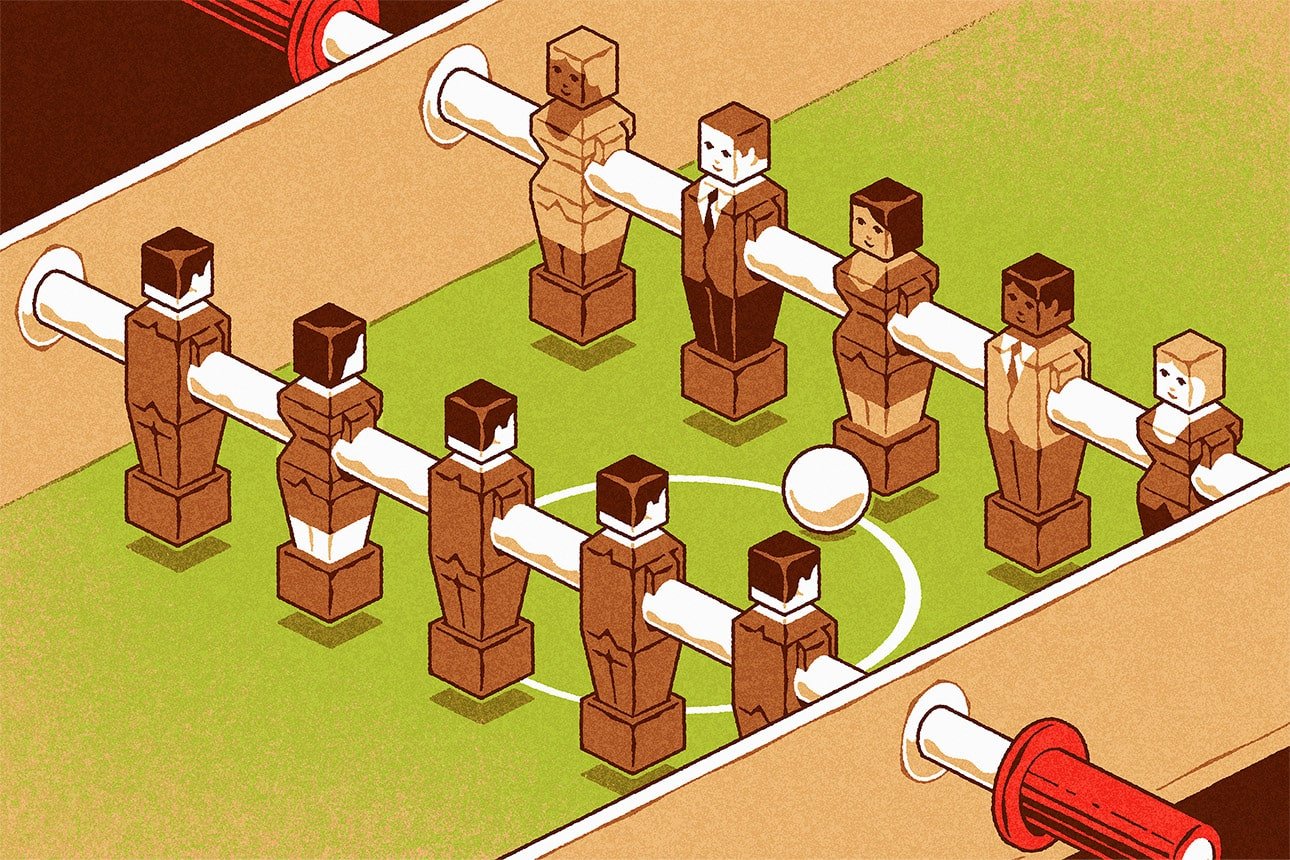
I remember a time when professionalism was measured by the sharpness of one’s trouser crease and the relentless punctuality of a pocket watch, yet today, we find ourselves adrift in a sea of digital nuances where the rules of corporate engagement are being rewritten in real-time. In the current landscape of British enterprise, the traditional pillars of workplace etiquette—ranging from how we present ourselves to how we signal our presence in a virtual boardroom—are undergoing a quiet but profound transformation as organisations grapple with the friction between old-school discipline and the fluid demands of the hybrid era. This shift is not merely about whether one chooses to wear a silk tie or a smart jumper, but rather a fundamental reassessment of the shared beliefs and expectations that dictate how professionals interact, communicate, and respect one another’s time in an increasingly fragmented and distracted commercial world.
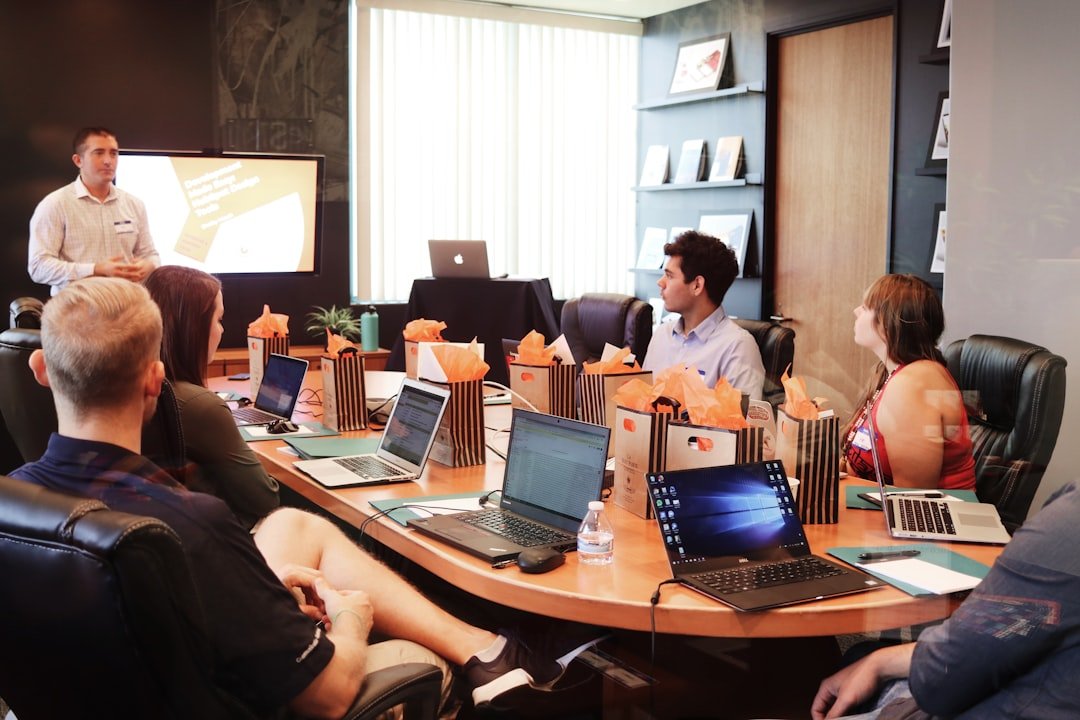
The core of this contemporary debate often settles on the seemingly trivial minutiae of our daily digital rituals, such as the increasingly contentious “cameras on” policy during video conferences. While some veteran executives argue that visible engagement is a non-negotiable tenet of mutual respect and focus, a growing cohort of the workforce contends that a more relaxed approach prevents “Zoom fatigue” and allows for a focus on substantive output rather than performative presence. This divide highlights a broader tension between traditional command-and-control structures and a modern, results-oriented philosophy that prioritises individual autonomy over visual conformity.
Punctuality, once a binary concept of being either on time or late, has similarly blurred into a spectrum of cultural and departmental interpretations across the UK’s business hubs. In the high-stakes environments of the City of London, starting a meeting precisely on the hour remains the gold standard, yet in the burgeoning creative sectors, a five-minute lag is often viewed as a necessary psychological buffer for a workforce juggling back-to-back digital appointments. These differing opinions on meeting etiquette and communication styles are no longer minor irritations; they have become the front line in the struggle to define what it means to be a “professional” in a world where the office can be anywhere from a kitchen table to a glass-walled skyscraper.
True professionalism in the modern age is less about adhering to static rules of the past and more about the emotional intelligence required to navigate diverse expectations without causing unnecessary friction.
As we look toward the future of the British workplace, the burden falls squarely upon leadership to articulate these unwritten rules with clarity rather than leaving them to the hazardous territory of assumption. Establishing a cohesive culture now requires a deliberate, ongoing dialogue between the generations, ensuring that the rigour and standards of the past inform, rather than stifle, the necessary flexibility of the future. The ultimate goal is to create a professional environment that values both the discipline of the collective and the reality of the individual contributor’s daily life.
As the traditional office continues to dissolve into a digital ether, will we find that our new, flexible standards of professionalism actually bring us closer together, or will they merely create new and unexpected barriers of misunderstanding?