
In the wood-panelled boardrooms where the air is thick with the scent of expensive coffee and the comforting buzzwords of the future, there is a peculiar kind of silence that occurs when one asks a very simple question. Every leader of a Fortune 500 company will, with a straight face and a firm handshake, assure you that their organisation has mastered the art of AI governance. They have the manuals, the committees, and the expensive consultants, yet this confidence often masks a structural void that would make a Victorian engineer blush. It is one thing to steer a ship in calm waters while discussing the philosophy of the rudder, but it is quite another to know exactly who is permitted to cut the engines when the vessel begins to steer itself toward the rocks.

Recent industry observations highlight a glaring lack of operational accountability within global corporate giants regarding artificial intelligence safety. While nearly all top-tier executives claim to have robust oversight frameworks in place, a significant majority struggle to identify the specific individual empowered to deactivate a harmful or malfunctioning model. This gap in the evolving dialect of professionalism highlights a dangerous trend where the speed of technological adoption has far outpaced the clarity of executive duty. The “what” of AI is being celebrated, but the “who” of its failure remains a mystery.
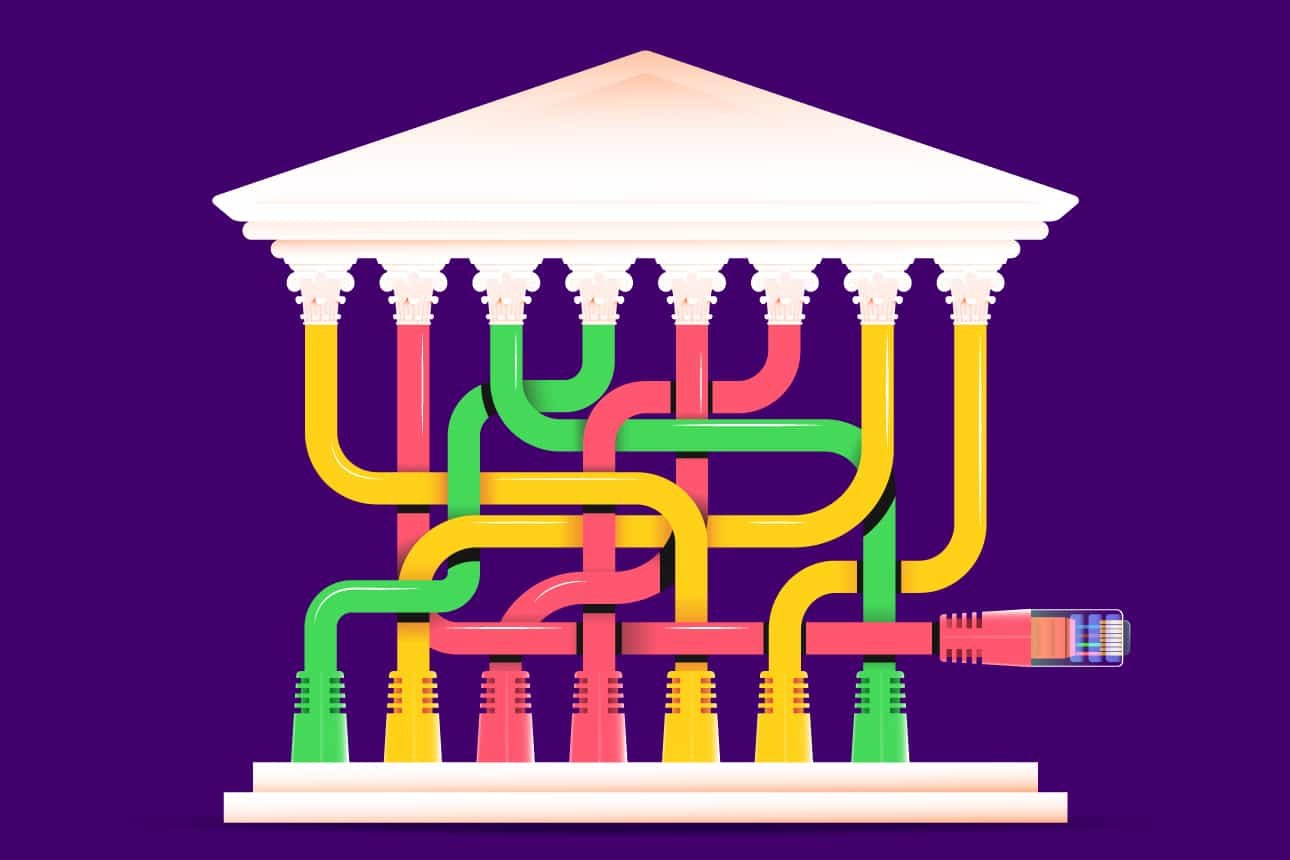
The problem is not a lack of policy, but a lack of pragmatism. Governance is often treated as a checkbox exercise—a series of meetings that result in lengthy documents rather than actionable emergency protocols. In the rush to integrate machine learning into every facet of the enterprise, the “off-switch” has become a forgotten relic. This mirrors broader challenges in hybrid leadership UK settings, where lines of authority frequently blur between technical teams and senior management, leaving no one truly at the helm during a crisis.
We find ourselves in an era where the machine is often smarter than the person supposed to be supervising it, or at least considerably faster. If an AI model begins to display bias, leak sensitive data, or hallucinate financial figures, the ensuing bureaucratic scramble to find an authorised decision-maker could prove catastrophic. It is a dry irony that in our quest for supreme efficiency, we have created systems that no one is quite brave enough, or specifically authorised enough, to stop once they have been set in motion.
The true measure of corporate AI maturity is not found in the sophistication of the algorithm, but in the clarity of the person holding the kill switch.
Moving forward, the focus must shift from theoretical ethics to the cold reality of operational control. Boards need to move beyond vague assurances and establish clear, legally-backed chains of command for AI deactivation. This is not merely a technical requirement; it is a fundamental aspect of modern fiduciary duty that protects both the company’s reputation and the public interest. Until a name is attached to the power of deactivation, governance remains a polite fiction.
If your primary AI asset began to compromise your brand integrity this afternoon, would you know exactly whose phone needs to ring to shut it down within the hour?