

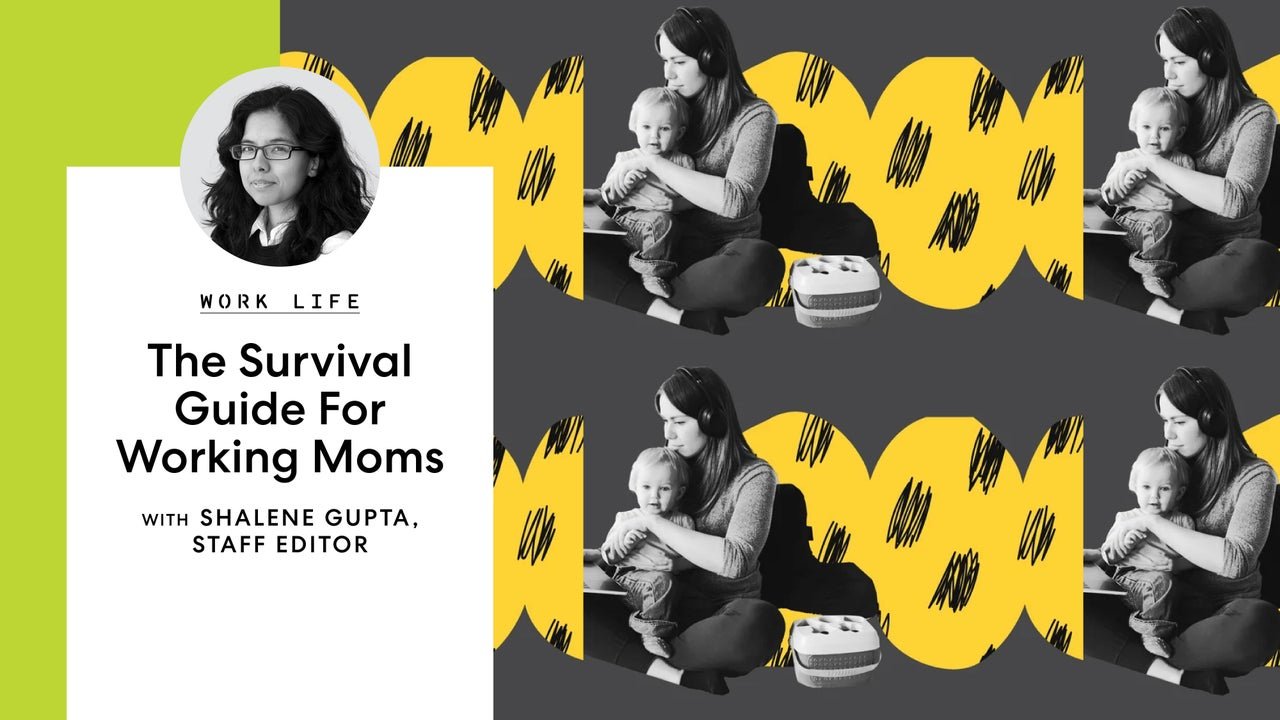
I have spent the better part of four decades watching the corridors of power shift, yet some structural foundations remain stubbornly resistant to change. In my years across various newsrooms, I’ve seen the rise of the high-flying executive who also happens to be a mother, a balancing act that resembles a high-wire performance without the benefit of a safety net. Recent insights gathered from professional circles on LinkedIn, particularly highlighted by industry observers at Fast Company, suggest that corporate environments are becoming increasingly inhospitable for women in senior roles. The collective testimony of these professionals reveals a landscape where the expectations of the boardroom frequently collide with the non-negotiable demands of the home, forcing a quiet revolution in how these leaders manage their daily lives.
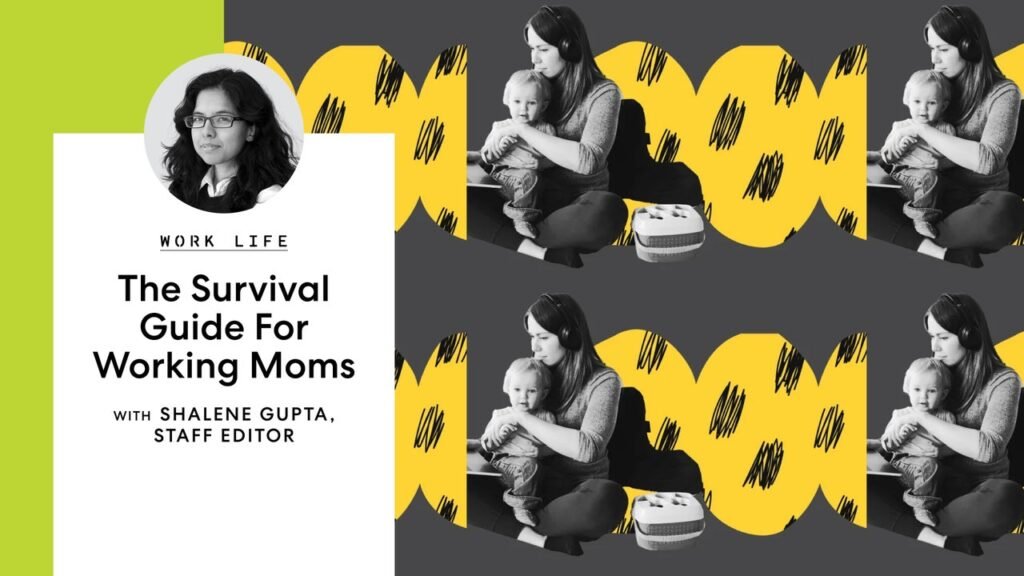
The core of the issue lies in a corporate architecture that was originally designed for individuals with few domestic responsibilities. For senior-level mothers, the “hacks” for survival are less about time management and more about a radical reclamation of their own schedules. Many have found that debunking remote work productivity myths is essential to their success, as the flexibility to work away from the traditional office allows for a more integrated approach to professional and family duties. By setting rigid boundaries and refusing to apologise for them, these women are attempting to redefine what leadership looks like in a post-pandemic world.
Beyond the logistical hurdles, there is a profound psychological toll that accompanies the pursuit of executive excellence. The burden of “having it all” has transitioned into a more cynical requirement of “doing it all” simultaneously, which is why many leaders are now prioritising executive wellbeing London and other global hubs to maintain their mental sharpness. Strategies shared by these seasoned professionals include the aggressive outsourcing of domestic tasks and the conscious decision to ignore certain social expectations. It is a dry, pragmatic approach to a systemic problem that shows no immediate sign of being solved by the corporations themselves.
The nuance of this struggle often escapes those who haven’t lived it, especially as children age and their needs become more complex. Understanding how child development impacts a parent’s mental bandwidth is crucial, as the demands of a seven-year-old are quite different from those of an infant, yet equally time-consuming in their own way. The wisdom shared by these mothers suggests that the only way to thrive is to stop trying to fit into a mould that was never intended for them in the first place.
The modern executive mother survives not by working harder within the existing system, but by quietly dismantling the expectation that her professional value is tied to constant availability.
As we look toward the future of the British and international workforce, it becomes clear that the current trajectory is unsustainable if we wish to retain top-tier female talent. The “hacks” currently being used are temporary bandages on a much deeper structural wound that requires more than just LinkedIn advice to heal. If the most senior women in our industries are feeling the squeeze to the point of exhaustion, what does that say about the long-term viability of the corporate ladders we are asking the next generation to climb?