


UK Retail Sales Trends Explained
UK retail sales are a useful measure of consumer demand, showing how much households spend and how the volume of goods sold changes...
Margaret Whitfield

UK Housing Market and Economy
The UK housing market matters to the wider economy through household spending, construction, mortgage borrowing and the ability of workers to move between...
Margaret Whitfield

Net Zero Business Costs UK Explained
Picture a mid-sized manufacturing firm in the Midlands reviewing its quarterly capital expenditure budget while staring at a fivefold increase in grid connection...
Margaret Whitfield

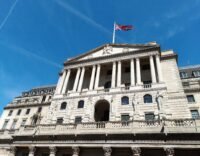
Bank of England Base Rate and Business Borrowing
Bank of England base rate decisions influence the cost of borrowing across the UK economy. For businesses, the most important effects are usually...
Margaret Whitfield

FTSE 100 Performance and What It Signals for UK Business
FTSE 100 performance is often treated as shorthand for the health of British business, but the index tells a more specific story. Because...
Margaret Whitfield

UK Corporation Tax and Business Planning
UK corporation tax should be treated as a planning variable rather than a year-end surprise. For financial year 2026–27, the main Corporation Tax...
Margaret Whitfield

UK Hydrogen Market Opportunities and the Investment Challenge
UK hydrogen market opportunities are moving from pilot projects toward a more structured investment pipeline, but the economics still depend heavily on infrastructure,...
Margaret Whitfield

US Interest Rates and UK Markets
US interest rates command a significant influence over global financial stability, often dictating the rhythm of markets far beyond American borders. When the...
Margaret Whitfield

German Manufacturing Slowdown Explained
German manufacturing faces significant headwinds as industrial output figures continue to stagnate across key sectors of the domestic economy. This cooling period in...
Margaret Whitfield