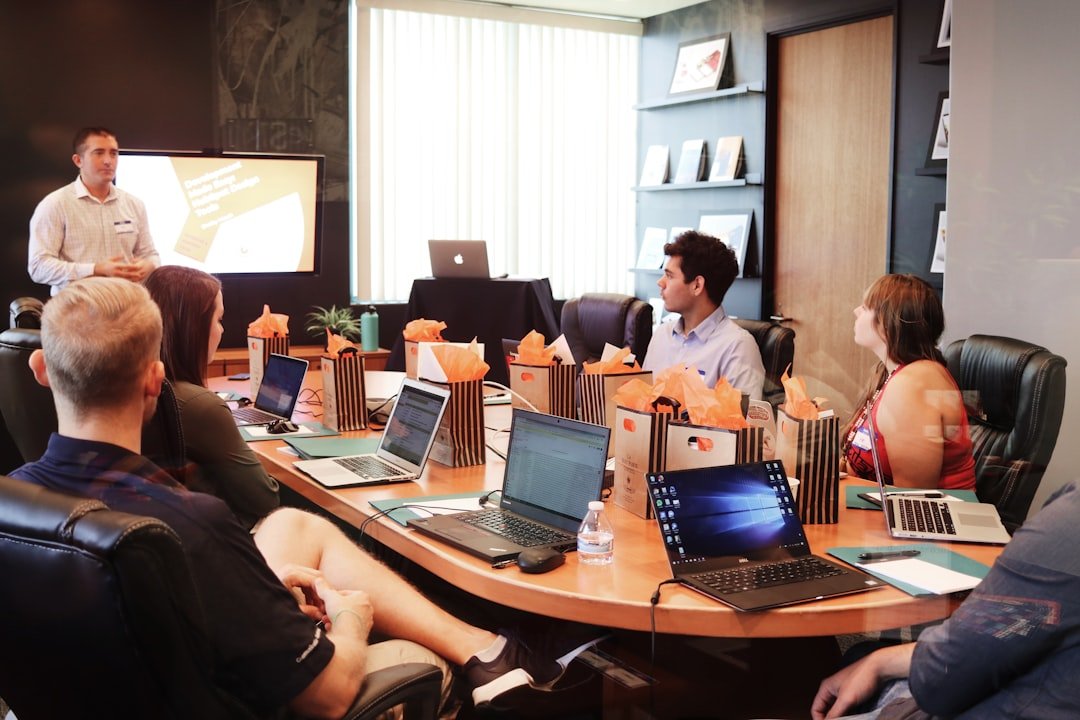


Hybrid Leadership UK is reshaping the professional landscape as managers navigate the complexities of split-location teams. Leading across both physical and digital environments requires a shift in how we perceive authority and collaboration. It is no longer about monitoring presence; it is about facilitating results regardless of geography. This approach demands a high level of intentionality from those in positions of responsibility. The site team prepared this guide for you.
What is Hybrid Leadership UK?

Hybrid Leadership UK refers to the management practices required to oversee teams that split their time between home and the office. It focuses on maintaining organisational standards while accommodating the flexibility expected by the modern workforce. This style balances the need for consistent output with the autonomy required for remote workers to thrive.
I have spent three decades in the workplace, moving from rigid office cubicles to these fluid arrangements. The transition is rarely seamless. When I mentor junior managers, the first thing I notice is a tendency to over-correct. They try to replicate the office environment digitally, which often leads to burnout and a breakdown in trust. Successful management in this era relies less on visibility and more on the infrastructure of communication you build around your staff.
Designing Clear Communication Frameworks
Effective management in modern settings starts with clear expectations. You cannot assume that because everyone is online, they are on the same page. Without explicit guidelines on when to use Slack, email, or video calls, you inadvertently create a culture of anxiety. It is your job to define the purpose of every communication channel to ensure your team has the mental bandwidth for actual work.
Data suggests that the majority of those in management positions are seeing the benefits of this shift. The Chartered Management Institute found that 73% of UK managers report hybrid working has improved team productivity when supported by clear communication (CMI 2024). This statistic is not just a number; it serves as a testament to the fact that when we stop focusing on desk time, we find a more focused and result-oriented workforce.
Consider the story of a project lead I once coached named Sarah. She managed a group of software engineers who were constantly missing deadlines because they were drowning in back-to-back status meetings. Once they implemented a ‘no-meeting Wednesday’ policy and moved all updates to a shared project board, their output improved significantly. Sarah learned that clear communication means knowing when to remain silent to let the team do their work.
Effective leaders understand professionalism in the modern workplace requires adapting to these new communication norms. You must be the one to set the tone, ensuring that everyone feels heard without feeling micro-managed. If you are struggling to bridge the gap between office and home, start by auditing your current meetings. Ask yourself if they contribute to the project or if they are simply a security blanket for your own peace of mind.
Maintaining Performance Through Autonomy
Empowerment is the primary driver of performance in distributed environments. When you provide your team with the tools and the clarity they need, they generally exceed expectations. If you are constantly checking in, you are signalling that you do not trust their output. Trust is the currency of the modern office, and you must invest in it early.
To keep performance high, focus on three specific areas of engagement:
- Establish clear objective-based goals rather than time-based targets.
- Provide high-quality technical infrastructure to eliminate avoidable friction.
- Schedule purposeful face-to-face sessions focused on strategy, not just routine tasks.
I recall working with a firm that struggled with morale during their transition to flexible hours. They found that employees felt alienated and disconnected from the core mission. By moving their planning sessions to a quarterly in-person format, they managed to restore a sense of camaraderie. The Chartered Management Institute found that 73% of UK managers report hybrid working has improved team productivity when supported by clear communication (CMI 2024), provided that the manager prioritises the quality of the interaction. This proves that presence is not about hours clocked, but about the quality of the time spent together.
Remember that the shift to these models is a long-term project. There is no instant fix for human connection, and you will need to refine your approach as your team matures in their roles. If a certain process is not working, be prepared to scrap it and start again. The flexibility you offer your team should also apply to your own management style. By staying responsive to their needs, you cultivate a resilient environment where performance is a natural byproduct of a healthy, trusted team culture.
The transition is not easy, but it is achievable if you focus on the individual and the output. Take the time to understand where your specific team struggles and address those gaps with transparency. Constant adaptation is part of the job description now. For questions, contact us.
References
Chartered Management Institute. Hybrid Working Survey. 2024.