


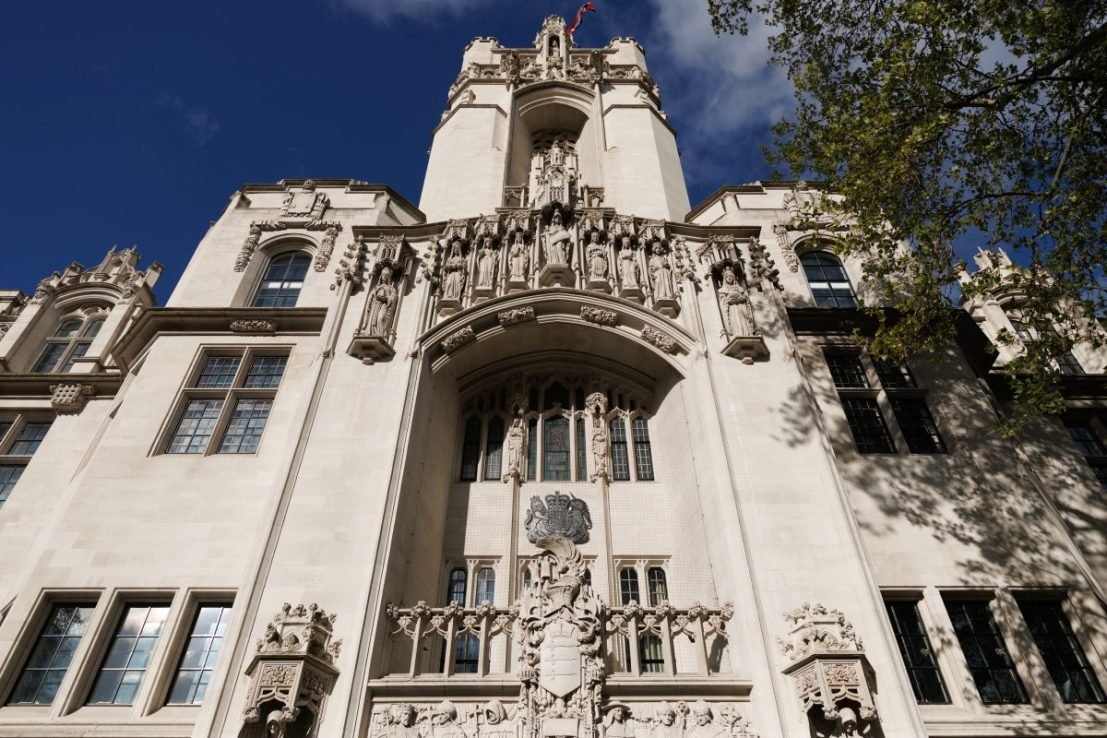
Can a billionaire’s hedge fund outmanoeuvre the taxman forever? The UK Supreme Court delivered a decisive “no” this week, ruling unanimously against BlueCrest Capital Management in a high-stakes £200m dispute with HMRC.
The firm, founded by the UK’s wealthiest financier Michael Platt, has spent years fighting allegations that its partner remuneration scheme was essentially a tax avoidance play. This final judgment brings a definitive end to a decade-long legal battle that has been closely watched across the City.
At the heart of the conflict was a “Partner Incentive Plan” implemented between 2008 and 2015. Under this arrangement, profits were allocated to a corporate member and then redistributed to individual partners as “special capital” to avoid higher income tax rates.
HMRC successfully argued that these payments were clearly discretionary income and should have been taxed accordingly. The Supreme Court judges agreed, noting that the structure did not change the fundamental nature of the earnings as performance-based pay.
This ruling creates a massive headache for the wider professional services sector and private equity firms using similar incentive structures. Legal experts suggest that board accountability will now be under the microscope as firms rush to audit their historic tax liabilities.
You can read more about how changing regulations are impacting corporate governance in our guide to board accountability and legislative shifts. The mood in Mayfair has certainly shifted from confident to cautious following this unanimous defeat.
The decision underscores a broader trend of HMRC taking a much more aggressive stance against sophisticated fiscal engineering. While retail investors focus on the latest ISA rules to protect their wealth, institutional players are finding their traditional tax-saving loopholes are being slammed shut.
For Michael Platt and BlueCrest, the financial hit is significant, but the reputational ripple effect across the hedge fund industry might be even more costly. Executives must now decide whether to settle outstanding disputes or risk their own expensive, and likely unsuccessful, day in court.
What is the next move for the City’s top brass? Expect a wave of internal restructuring as firms pivot away from aggressive tax planning to avoid becoming HMRC’s next high-profile target.