

UK business insolvencies require constant vigilance from directors who wish to protect corporate value and meet their strict legal duties. Understanding how companies enter financial distress allows leadership teams to act before creditors force formal legal action. When trading conditions tighten, recognizing the subtle shifts in liquidity can make the difference between a successful turnaround and corporate failure. Corporate health relies on proactive monitoring rather than waiting for a crisis to materialize on the balance sheet. The (Site adi belirlenmemis) team prepared this guide for you.
What is UK Business Insolvencies?
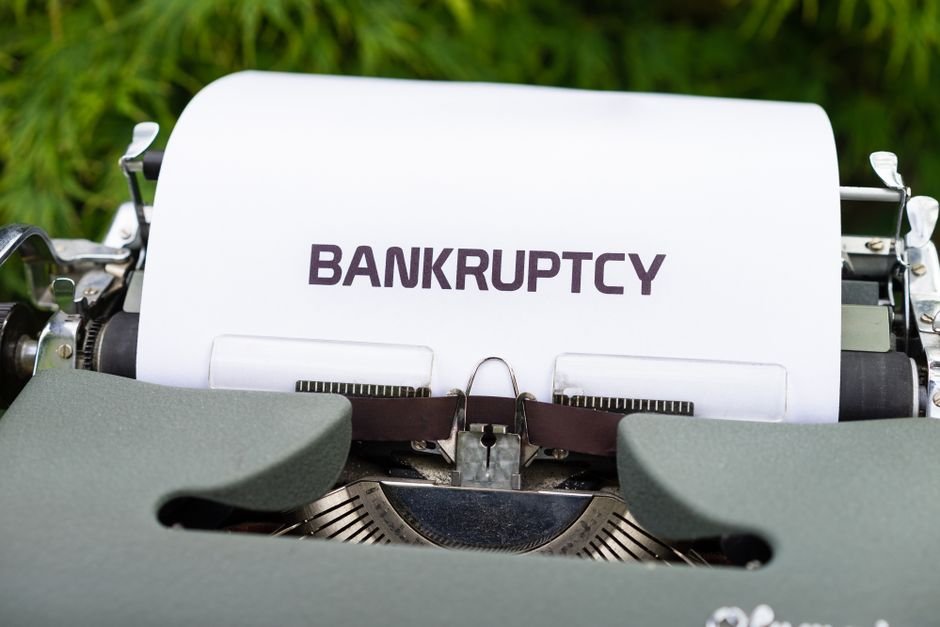
UK business insolvencies refer to the formal legal proceedings initiated when a company becomes unable to pay its debts as they fall due, or when its total liabilities exceed its assets. This statutory framework includes procedures such as administration, company voluntary arrangements, and liquidation, all regulated under national legislation. These mechanisms aim to manage the orderly winding down of insolvent entities or rescue viable enterprises where possible.
During my decades analyzing financial markets, I have observed that corporate collapse rarely happens overnight. It usually follows a predictable trajectory of declining cash inflows, mounting arrears, and tightening credit terms from worried suppliers. By examining official statistics, we see that economic headwinds frequently expose structural weaknesses in firms that neglected early operational adjustments. Directors must therefore look beyond simple profit and loss statements to evaluate true cash mobility.
Cash-Flow Deterioration and Immediate Red Flags
The earliest indicator of distress is almost always a squeeze on operational liquidity. When cash generation fails to cover short-term liabilities, management teams often resort to delaying payments to trade creditors. This behavior triggers a chain reaction across the supply chain, similar to the systemic pressures documented in reports on supply chain resilience. Suppliers who experience delayed settlements will naturally tighten their credit limits, demanding cash on delivery and choking off vital inputs.
Furthermore, tax authorities such as HM Revenue and Customs frequently become unwilling creditors when cash flow dries up. Allowing PAYE, National Insurance, or VAT arrears to accumulate is a classic precursor to formal enforcement action. According to official data from the Insolvency Service, corporate insolvencies often surge when macroeconomic volatility coincides with the withdrawal of pandemic-era support measures and higher borrowing costs (Insolvency Service, 2024). Directors must monitor working capital metrics weekly, ensuring that accounts receivable and payable remain balanced and transparent.
Severity-Based Warning Signs and Creditor Behavior
As financial strain deepens, the warning signs transition from internal cash-flow friction to overt external pressures from lenders and trade partners. Evaluating these symptoms by their degree of severity helps boards allocate resources efficiently and determine the appropriate response strategy.
- Low severity: Extended debtor days, minor inventory build-ups, and slight delays in monthly management accounts.
- Moderate severity: Utilization of overdraft facilities to their maximum limit, missed supplier payment terms, and creeping HMRC arrears.
- High severity: Breach of banking covenants, statutory demands served by creditors, and threats of winding-up petitions.
Creditor behavior changes markedly as risk perceptions rise. Lenders monitoring covenant compliance will scrutinize EBITDA projections and interest cover ratios with absolute rigor. If a company breaches these financial covenants, banks may demand immediate debt restructuring or appoint investigative accountants. Navigating such complex stakeholder relationships often requires the same strategic oversight found in corporate evaluations of board responsibilities.
Monitoring liquidity accurately requires looking past optimistic forecasts and focusing entirely on cash actually realized at the bank.
When multiple creditors begin issuing formal letters before action, the legal landscape changes rapidly. Directors must ensure they do not engage in wrongful trading by continuing to incur credit when they know, or ought to know, that an insolvent liquidation is unavoidable. Guidance from regulatory bodies emphasizes that boards must prioritize the interests of creditors above shareholder returns once insolvency becomes a realistic prospect (Insolvency Service, 2024).
A Practical Escalation Ladder for Directors
When early indicators suggest that UK business insolvencies are a genuine risk, leadership must follow a structured escalation ladder rather than panicking. The first step involves an objective, independent review of the company’s financial position, often conducted in collaboration with licensed insolvency practitioners who can advise on informal restructuring options. Engaging early with stakeholders demonstrates good faith and can prevent aggressive legal maneuvering from disgruntled suppliers.
The second tier of response entails exploring formal rescue mechanisms, such as a Company Voluntary Arrangement, which allows a struggling enterprise to compromise its debts while continuing to trade under supervision. If restructuring proves unviable, placing the company into administration can protect its underlying business and assets from piecemeal creditor enforcement while a buyer is sought. Throughout this process, transparent communication with employees, lenders, and regulators remains paramount to maintaining trust and fulfilling statutory obligations. For questions, contact us.
References
Insolvency Service. 2024. Company Insolvency Statistics: Guidance and Official Data Releases. London: Department for Business and Trade.